
Blog
Practical ideas for turning goals into daily progress.
Feb 20, 2026
How to Integrate the Zendo Calendar with Your Google Calendar
Connecting your Zendo calendar to Google Calendar helps you see your plan in one place. Your tasks, time blocks, and daily structure stay aligned with your real schedule.
Read article →
Feb 20, 2026
How to Use the Eisenhower Matrix as a Freelancer
As a freelancer, everything can feel urgent. Client work, messages, admin, marketing, learning. The Eisenhower Matrix helps you decide what actually deserves your time. It is a simple tool that sorts tasks into four boxes based on urgency and importance.
Read article →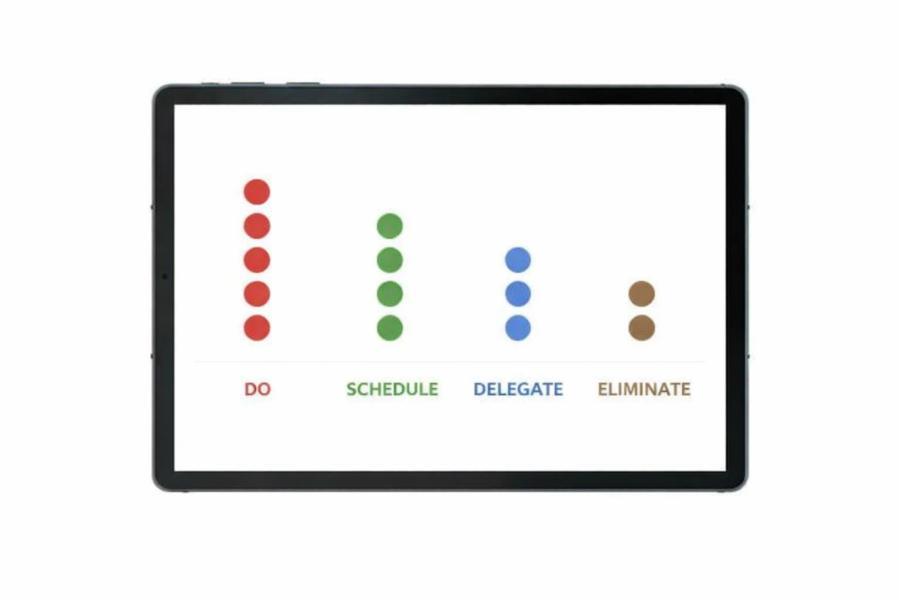
Feb 11, 2026
How to Prioritize Tasks When Everything Feels Important Using the Eisenhower Matrix
You start your day excited to accomplish your goals. Five to six hours later, nothing meaningful has moved. You are juggling 5 to 10 tasks. Notifications keep interrupting you. Your to-do list keeps growing. When everything feels urgent, your mind does not rest. Your brain sees too many important tasks at once and struggles to decide where to start. So you jump between tasks or delay all of them. By the end of the day, you feel busy but unsure what actually moved forward. This happens because your tasks have no clear order.
Read article →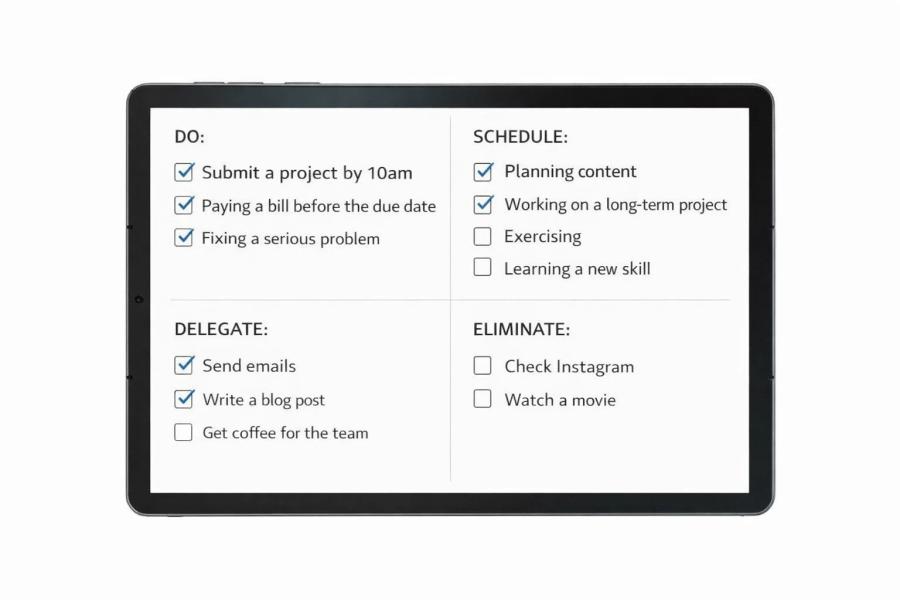
Feb 11, 2026
How to Stay Organized with the Zendo Eisenhower Matrix Calendar
If your to-do list keeps growing, and there's no progress, when urgent, important, and minor tasks are mixed, everything feels pressing, which creates stress and scattered focus. The Zendo Eisenhower Matrix solves this by sorting tasks into four categories: Urgent and Important Important but Not Urgent Urgent but Not Important Not Urgent and Not Important By organizing tasks this way, decision-making becomes easier, stress decreases, and real progress becomes visible. Structure, not more effort, is the missing piece.
Read article →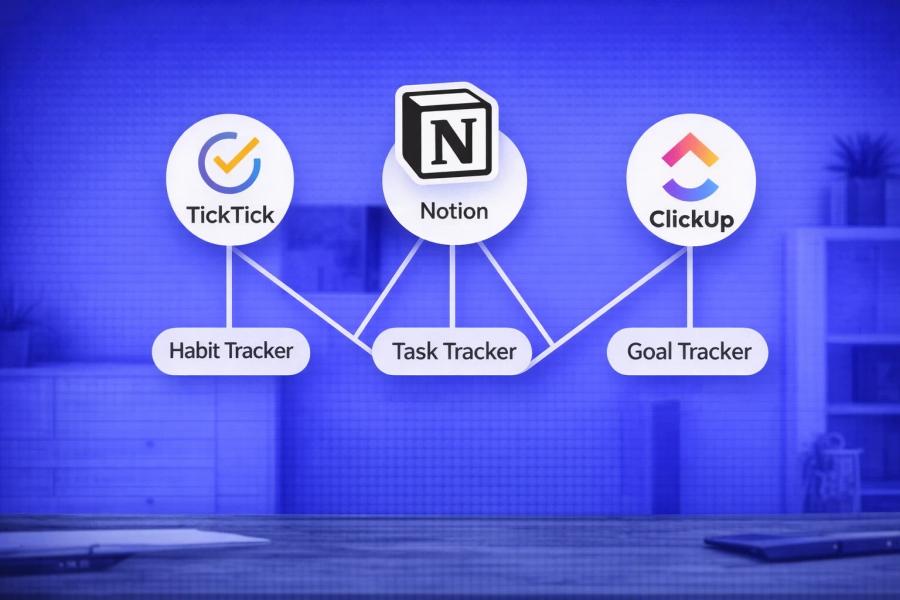
Feb 11, 2026
Top Accountability Apps to Track Goals, Habits, and Tasks in One Place
If your focus feels scattered and progress is invisible, it's not because you're not putting in the work; it's because you don't have a clear system. You have your goals, tasks, and habits spread across multiple apps. This drains your energy, weakens focus, and makes it harder to measure progress. When you have one central system to track long-term goals, weekly tasks, and daily habits, you gain clarity, strengthen your focus, and your progress becomes visible.
Read article →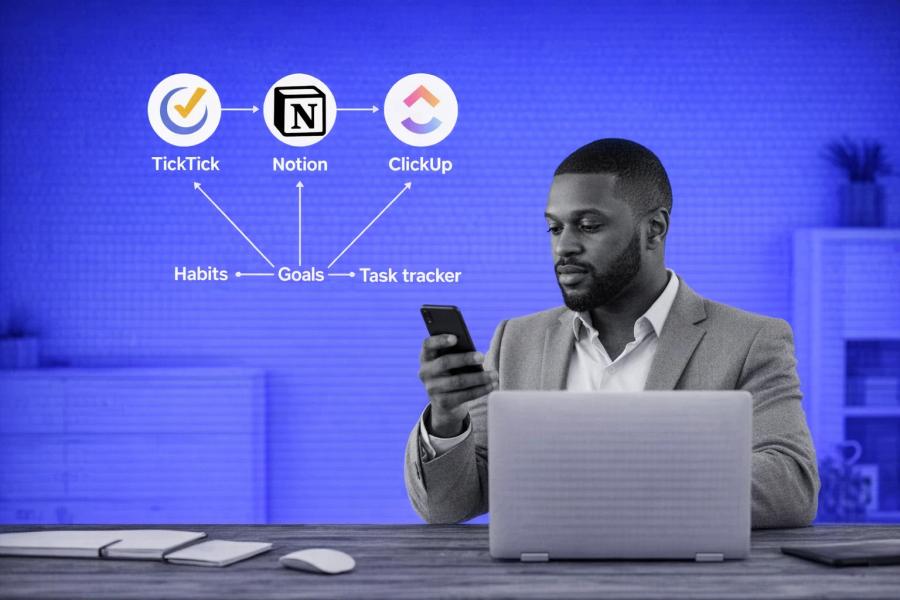
Feb 11, 2026
How an Accountability App Helps You Stay Consistent Every Day
You are putting in effort, but without tracking your actions, your progress feels invisible. When daily tasks are not recorded, small wins go unnoticed, doubt increases, and consistency begins to slip. An accountability app provides a simple structure. It tracks your daily habits, shows your streaks, and helps you see clear proof of your effort. When progress becomes visible, motivation strengthens.
Read article →
Feb 10, 2026
Real Cause Of Overwhelm (Time Management)
Overwhelm often starts quietly when too many thoughts and tasks compete for attention. It is not a personal failure, but a sign that the mind is carrying too much at once. The real cause is usually unclear priorities, and not because you lack time. When everything feels urgent, focus disappears. Choosing one task at a time, writing things down, and taking guilt-free breaks helps restore clarity and calm.
Read article →
Feb 10, 2026
Is Overplanning Affecting Your Productivity?
Overplanning can make you feel busy all day without real progress. While planning is useful, too much of it drains energy and delays action. It often comes from wanting clarity, avoiding mistakes, or feeling fully prepared. Productivity improves when planning is limited, and focus shifts to taking the next small step. Action, not perfection, is what creates results.
Read article →
Feb 5, 2026
Why You Feel Busy but Make No Progress
You start the day knowing there is a lot to do. Messages are waiting. Tasks are stacked up. Notifications keep pulling attention in different directions. By evening, there is movement everywhere, yet nothing meaningful feels finished. A quiet question lingers. How did the whole day pass, and still feel empty? This feeling is not a failure of effort. It is a sign of misplaced energy. When everything feels equally important, the mind stays in motion to avoid depth. That is why the day feels full, yet unproductive. This is not about laziness or lack of discipline. The real cause is unclear priorities.
Read article →
Feb 5, 2026
Missing Non-Negotiables Is Quietly Ruining Your Progress
Most people treat important work as optional. Busy days stack up, but movement stays slow. This pattern is common, and many people don’t realize they are stuck in it. They wait to feel motivated. They decide every morning whether to show up. That quiet negotiation kills progress. Non-negotiables remove daily decisions. They turn progress into routine instead of willpower.
Read article →
Feb 5, 2026
Compounding Turns Effort Into Productivity
Ever put in real effort and still feel like nothing is moving? That quiet frustration can be exhausting. Time is spent. Work is done. Yet results feel slow, distant, or absent. This doesn’t mean you’re lazy or lack talent. Usually, it means something important is missing: compounding.
Read article →
Feb 4, 2026
How to Stop Tasks from Piling Up Forever
Tasks don’t pile up because of laziness. They pile up because the brain struggles with too many unclear things at once. Seeing a long list can feel heavy, and instead of starting, there is a pause, a scroll, or a promise to get to it later. That feeling is exhausting. The problem is not discipline. Tasks often arrive without context. They lack a clear reason, outcome, or time. The brain treats these as open loops, creating mental noise. When everything feels urgent, nothing feels easy to start.
Read article →
Feb 4, 2026
What Agentic AI Means for Productivity
Every day feels busy yet exhausting, not because you are lazy, but because you are managing too much manually: tasks, decisions, tools, and open loops. Before you realize it, your energy is gone. That is exhausting. If this is you, you are not alone. Agentic AI changes that. It understands your goal, decides the next steps, takes action, and keeps context, acting like a thoughtful assistant.
Read article →
Feb 3, 2026
Why Productivity Advice Works in Theory and Fails in Practice
If productivity advice really worked the way it sounds, you wouldn’t be exhausted from starting over. Most productivity tips sound good in theory: wake up early, plan your day, block your time, and stay focused. You try it for a week, maybe a month, and then you’re right back where you started: overwhelmed, tired, and quietly wondering why it works for everyone else but you. The truth is, most productivity advice isn’t built for real life. It assumes you have a clear mind and steady energy, while ignoring the mental load you carry every day.
Read article →
Feb 3, 2026
Don’t Write Tasks without Goals
You’re busy all day, yet nothing truly feels done. If that made you pause, this is for you. The problem isn’t effort, it's direction. You start your day by listing tasks: replying to emails, posting content, doing research, and following up with clients. The list looks responsible and feels productive. But halfway through the day, you feel drained, like you’ve been moving without actually making progress. That doesn’t mean you’re doing something wrong. It means you’re writing tasks without goals.
Read article →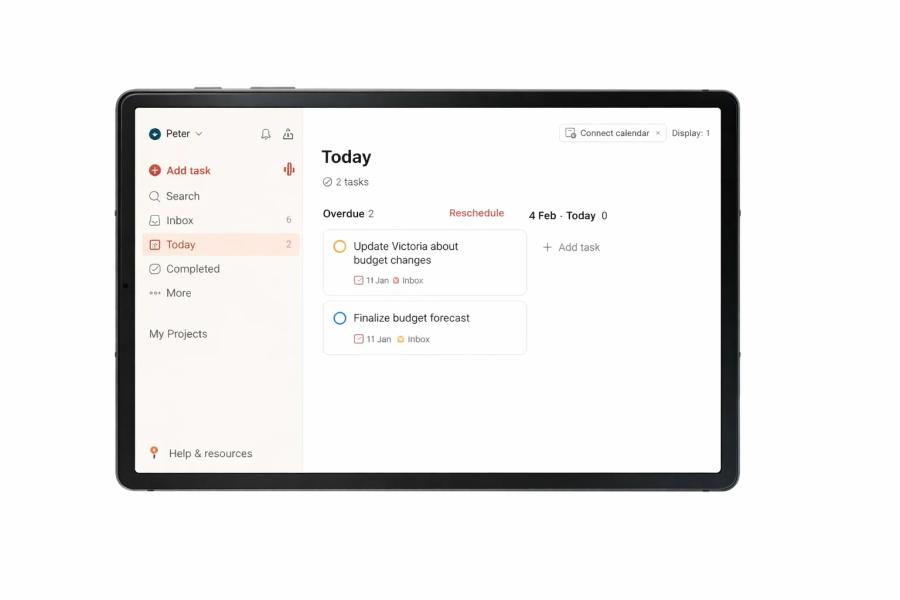
Feb 3, 2026
Why Todoist and TickTick Stop Working After a Few Weeks
You’re busy all day, yet somehow nothing feels done. If that sounds familiar, pause here. You are not lazy, and nothing is wrong with you. To-do lists and apps like TickTick work at first. You add tasks, check them off, and feel productive. Then, after a few weeks, something changes. Tasks pile up, and managing the list becomes another task. You add more than you complete. That is the signal most people miss. Task lists stop working because they rely on motivation that fades, priorities that shift, and memory that gets overloaded. Over time, they increase mental pressure instead of reducing it. You stay busy, but real progress feels far away.
Read article →
Feb 2, 2026
Why Ambitious People Can’t Stay Consistent
Ambitious people don’t struggle because they lack drive or vision. They struggle because big goals demand something far less exciting: boring, repetitive action. The dream feels massive, but the daily work feels small, so consistency starts to slip. Without a clear structure, ambition turns into distraction. This is why consistency isn’t about motivation; it’s about building systems that protect focus and make progress inevitable.
Read article →Feb 2, 2026
Why Ambitious People Don’t Know What to Work on When the Day Starts
It's completely normal to wake up feeling motivated and eager to make progress, only to be confronted by the question, “What should I work on today?” That feeling of uncertainty isn’t a reflection of laziness or a lack of discipline; it's something many ambitious individuals experience. When you have so many ideas and goals competing for your attention, it can feel overwhelming. As your mind opens up multiple possibilities, clarity often slips away, leading to decision fatigue that can stall your momentum before you even begin. Remember, the issue isn't about your effort or dedication. It's about finding the right direction to channel that energy into meaningful action. You're not alone in this; many of us face the same struggle.
Read article →
Jan 27, 2026
Todoist Alternative for People Who Procrastinate and Miss Deadlines
You want a system that works with how you actually behave. You want to see gaps in your behavior. You want to see opportunities to do things more efficiently. You want a system that notices when you do nothing and checks in when action is supposed to happen.
Read article →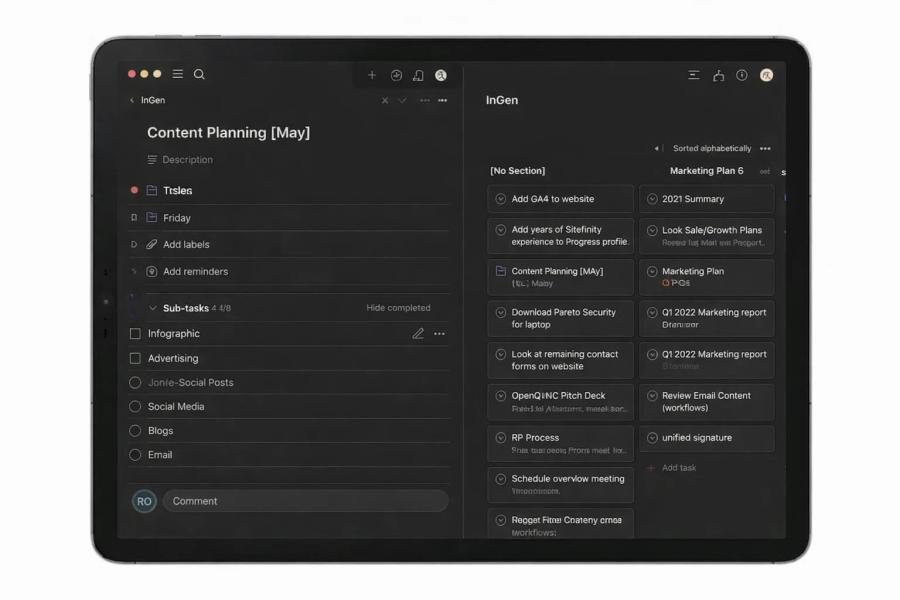
Jan 27, 2026
Why Todoist Fails People Who Procrastinate
Todoist is great. I have personally used Todoist for a while. But if you procrastinate, managing tasks in Todoist eventually starts to feel like a time sink. You spend time creating categories, organizing lists, setting priorities, and rescheduling tasks, yet nothing actually changes. The system assumes that once a task is written down, you will have the energy and discipline to execute it. That assumption is where things break.
Read article →