
February 10, 2026
Is Overplanning Affecting Your Productivity?
Overplanning can make you feel busy all day without real progress. While planning is useful, too much of it drains energy and delays action. It often comes from wanting clarity, avoiding mistakes, or feeling fully prepared. Productivity improves when planning is limited, and focus shifts to taking the next small step. Action, not perfection, is what creates results.
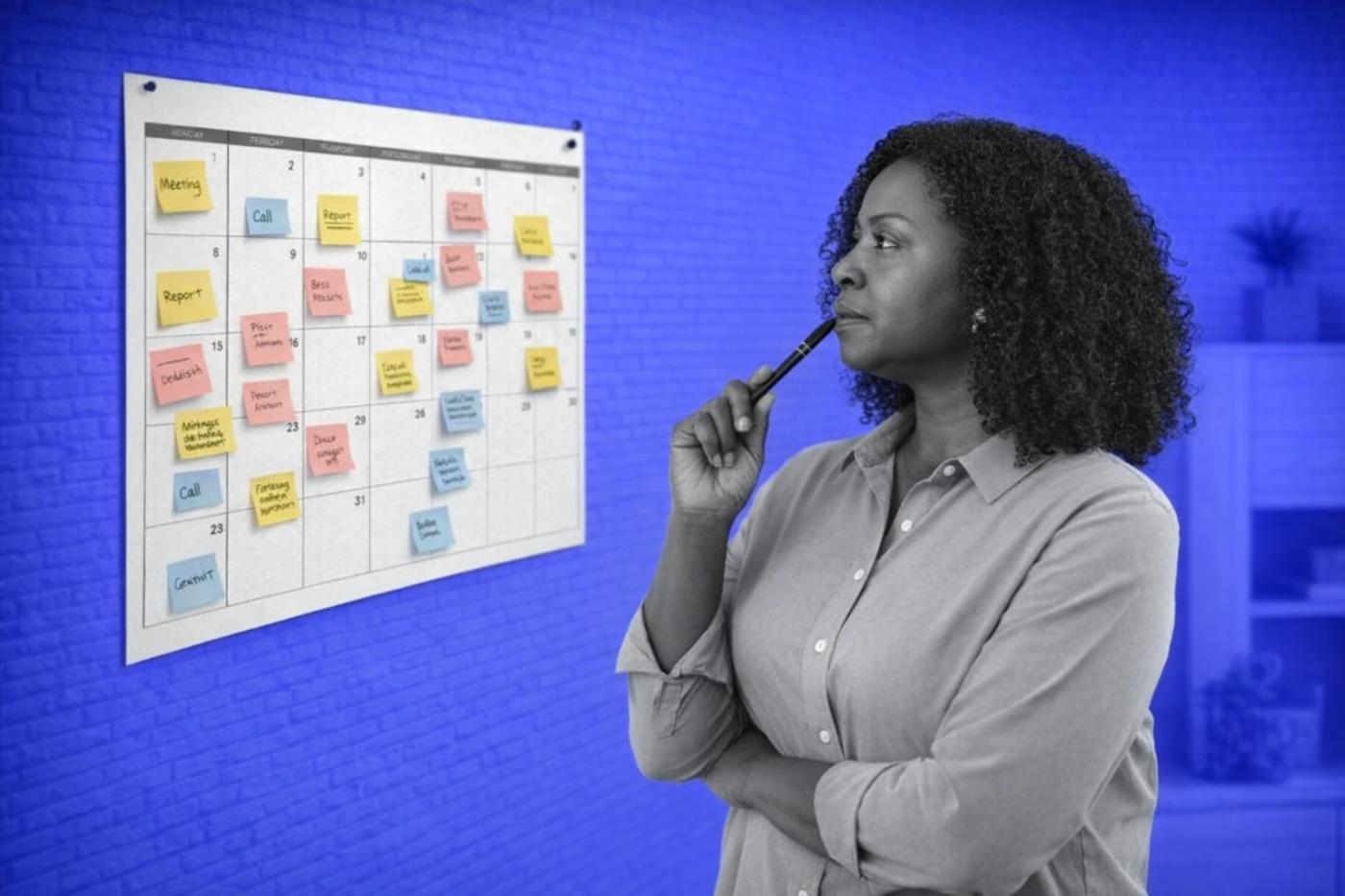
That feeling of being busy all day yet ending with nothing done is exhausting.
Planning is helpful, but it can quietly slow progress.
Imagine this:
Your next day is already mapped out.
Your calendar looks perfect.
Every task has a time slot.
Everything feels organized and ready to move forward.
Yet hours are spent adjusting details, rethinking steps, and refining plans. By the end of the day, your mental energy is drained, and no real action has happened.
This experience is more common than it seems. Many people burn out from excessive planning when there is no result to show for the time spent. The desire to feel in control and prevent future challenges is natural.
However, there is only so much that can be planned. When most of the time goes into planning, implementation keeps getting delayed.
What overplanning really is
Overplanning is spending too much time thinking, organizing, and preparing, while action keeps being postponed. Productivity drops because movement never starts.
This pattern is often linked to perfectionism. The need to get everything “just right” creates hesitation.
Over time, planning becomes a trap that blocks the next step.
Why overplanning keeps happening
Overplanning is not a character flaw. It usually comes from clear, understandable reasons:
- The need for clarity before starting
- The desire to avoid mistakes
- The urge to feel fully ready before taking action
These reasons make sense. They come from wanting progress to work out well. The problem starts when planning replaces doing.
How to stop overplanning from draining your productivity
- Set clear deadlines for each project, including the planning stage
- Break tasks down into the smallest possible actions
- Identify the very next step and do only that
- Release the pressure of perfection and aim for good, usable work
You make progress when your planning has limits and actions, which results in prioritizing the most important thing that matters
Planning has value, but it should support progress.
When your planning leads directly to action, energy returns, clarity improves, and results begin to show.