
February 11, 2026
How to Prioritize Tasks When Everything Feels Important Using the Eisenhower Matrix
You start your day excited to accomplish your goals. Five to six hours later, nothing meaningful has moved. You are juggling 5 to 10 tasks. Notifications keep interrupting you. Your to-do list keeps growing. When everything feels urgent, your mind does not rest. Your brain sees too many important tasks at once and struggles to decide where to start. So you jump between tasks or delay all of them. By the end of the day, you feel busy but unsure what actually moved forward. This happens because your tasks have no clear order.
You start your day in the morning, excited to work and accomplish your goals. But in the last 5 to 6 hours, you were unable to achieve anything because you were stuck. You are multitasking 5 to 10 tasks. Notifications pull your attention. Your to-do list keeps growing.
When everything feels urgent, your mind does not rest.
You look at your list, and every task feels important.
Emails need replies.
Messages need attention.
Deadlines are closing.
Personal goals are waiting.
Your brain sees too many important tasks at once. It struggles to decide where to start. So you jump between tasks or delay all of them. By the end of the day, you feel busy and cannot account for your day.
This is mental overload. It happens when your tasks have no clear order.
What Is the Eisenhower Matrix?
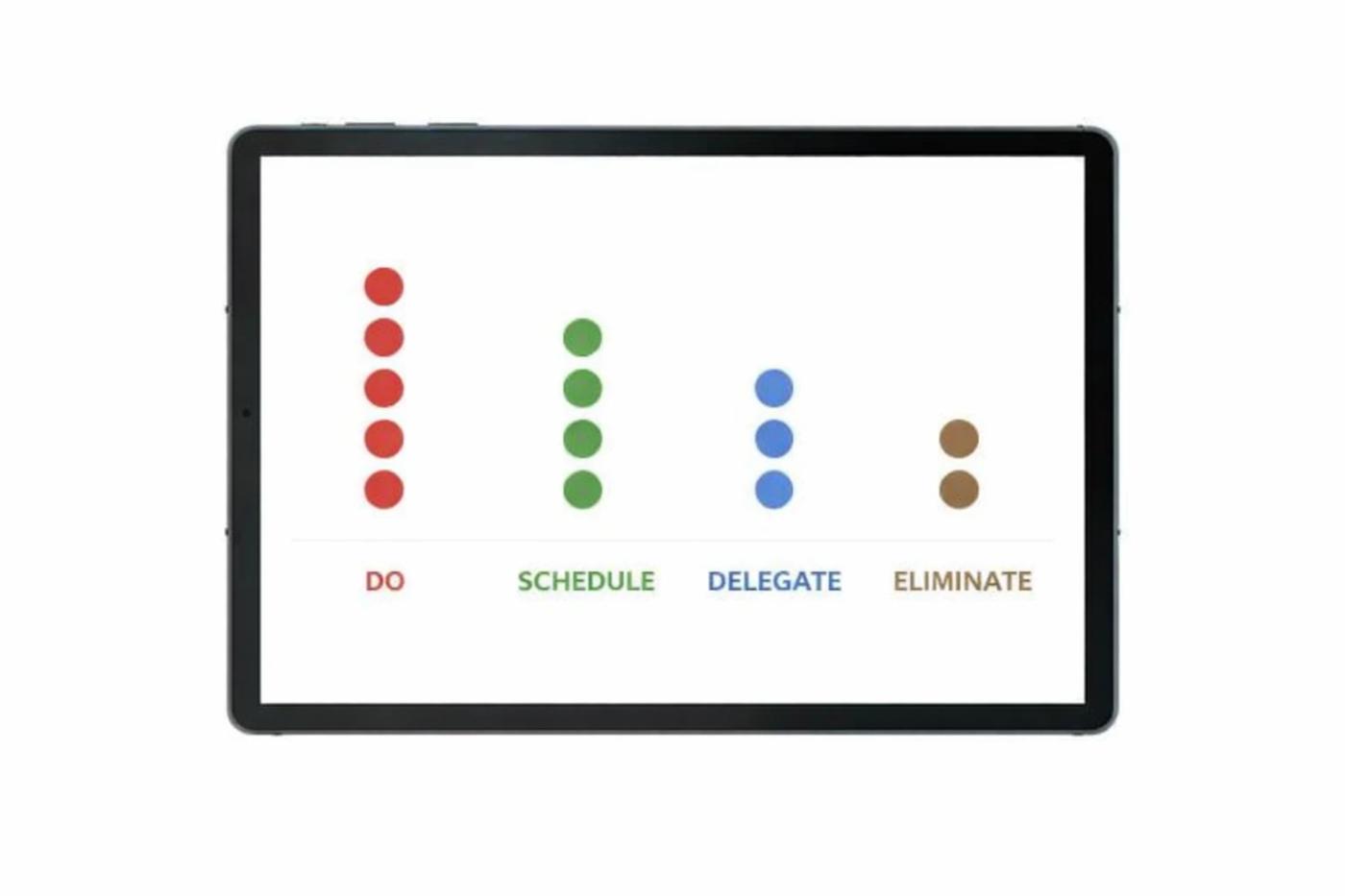
The Eisenhower Matrix is a simple decision tool that divides tasks into four clear categories:
- Urgent and important
- Important but not urgent
- Urgent but not important
- Not urgent and not important
Instead of guessing what to do first, you sort your tasks into these four quadrants.
How The Four Quadrants Work
Urgent and Important
These tasks have deadlines and serious consequences if ignored.
Examples:
- A project due tomorrow
- A bill that must be paid today
- A client issue that needs immediate attention
These tasks deserve your focus now.
If everything on your list ends up here, you have been postponing important tasks for too long. Your system needs readjustment.
Important but Not Urgent
These tasks shape your future.
Examples:
- Planning your goals
- Building a skill
- Strengthening relationships
- Exercising
- Working on long-term projects
These tasks get ignored because they do not demand immediate attention. Yet they matter deeply.
If you constantly feel behind in life, you're probably neglecting this quadrant.
Urgent but Not Important
These tasks feel pressing, but do not strongly move your goals forward.
Examples:
- Phone calls
- Meetings
- Minor requests from others
- Constant notifications
These tasks drain your energy when treated as top priorities.
Ask yourself:
- Does this truly require your attention?
- Can someone else handle it?
- Can it wait?
You do not have to respond to everything immediately.
Not Urgent and Not Important
These tasks consume time without adding real value.
Examples:
- Endless scrolling
- Rechecking emails repeatedly
- Tasks done out of habit, not necessity
These activities often become an escape when you feel overwhelmed.
Instead of judging yourself, notice the pattern. Then reduce it.
How to Prioritize Your Tasks Using the Eisenhower Matrix
- Write down all your tasks.
- Categorize each task into the four quadrants.
- Start with urgent and important tasks.
- Schedule important but not urgent tasks.
- Reduce or delegate urgent but not important tasks.
- Eliminate or limit tasks that are not urgent and not important.
When everything feels important, you lose clarity.
The Eisenhower Matrix gives you permission to stop reacting and start choosing.